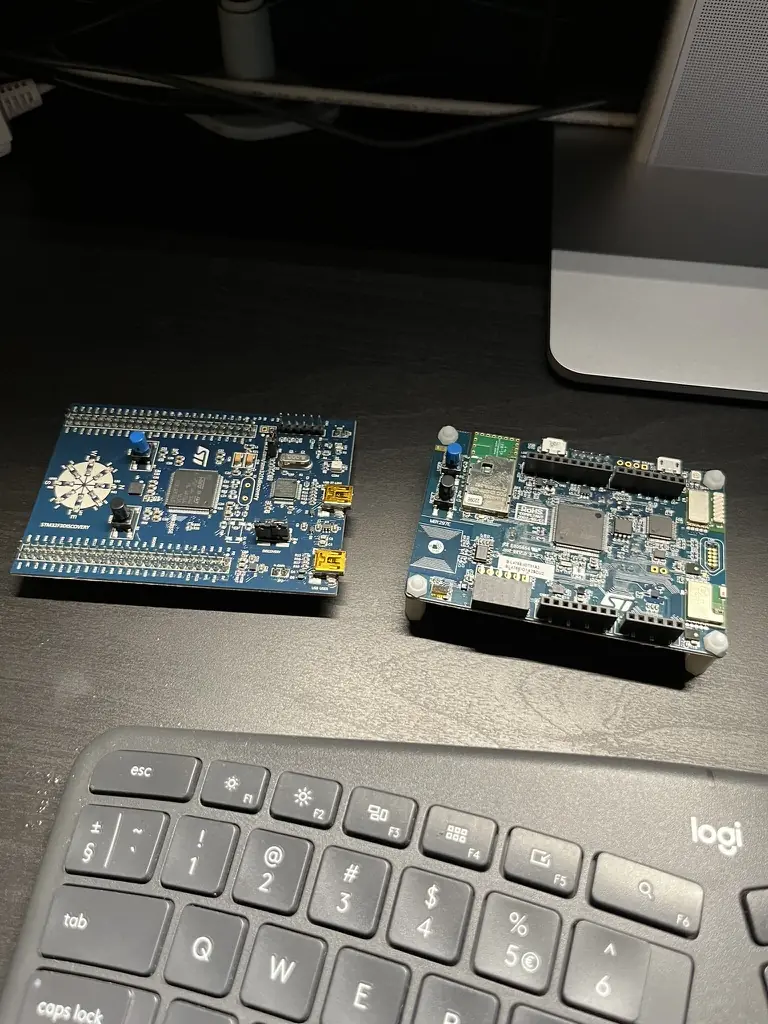
The Internet of Things (IoT) is transforming many industries by connecting “smart” IoT devices with sensors to the internet, giving organizations greater insight into their operations and customers. However, IoT is often a nightmare from an IT security perspective, making these devices prime targets for cyberattacks. Insecure IoT devices can be exploited by botnets, used in data breaches, and in some cases even enable physical attacks on critical infrastructure.
In this blog post, I will walk through common vulnerabilities in IoT devices and provide concrete recommendations to help improve IT security.
1. Weak Authentication & Default Credentials
The problem:
Many IoT devices ship with factory-default usernames and passwords (e.g. admin:admin or root:1234), which are often never changed. Attackers can easily discover these defaults and gain control over the devices.
How to fix it:
- Enforce strong credentials: Require users to change default usernames and passwords during first-time setup or initial login.
- Implement multi-factor authentication (MFA): MFA adds an extra verification step that significantly reduces the risk of unauthorized access.
- Use unique, randomly generated credentials: Avoid shared defaults by assigning unique credentials during device provisioning.
2. Lack of Secure Firmware Updates
The problem:
Many IoT devices either lack an update mechanism entirely or rely on manual firmware updates, leaving them exposed to known vulnerabilities.
How to fix it:
- Implement secure over-the-air (OTA) updates: Ensure firmware can be updated remotely in a secure and reliable way.
- Use digital signatures and verify firmware integrity: Apply cryptographic signatures to prevent tampering with firmware updates.
- Patch vulnerabilities regularly: Maintain a structured update process to address newly discovered threats.
3. Insecure APIs and Communication Protocols
The problem:
IoT devices often communicate with cloud services and mobile applications via insecure APIs, which can expose sensitive data to interception and manipulation.
How to fix it:
- Use encrypted communication: Enforce TLS 1.2+ for all device-to-server communication.
- Strengthen API authentication: Use OAuth 2.0, API keys, and role-based access control (RBAC).
- Prevent injection attacks: Sanitize and validate all API inputs to reduce the risk of SQL injection and command injection.
4. Insufficient Data Protection and Privacy Risks
The problem:
IoT devices often collect and store personal or sensitive data without proper encryption, making them easy targets for data breaches.
How to fix it:
- Encrypt data at rest and in transit: Use AES-256 for stored data and TLS for data in transit.
- Minimize data collection: Collect only the data that is strictly necessary to reduce exposure.
- Apply anonymization techniques: Use hashing and tokenization for sensitive data where possible.
5. Insecure Device Discovery and Exposure
The problem:
Many IoT devices expose open network ports or broadcast their presence on local networks, making them easy to discover and target.
How to fix it:
- Disable unnecessary services and ports: Reduce the device’s attack surface.
- Use firewalls: Restrict device access to authorized IP addresses only.
- Enable device authentication: Require authentication before allowing any connections.
6. Poor Supply Chain Security
The problem:
IoT devices often depend on third-party components and software libraries that can introduce vulnerabilities if they are not properly vetted and maintained.
How to fix it:
- Review third-party components: Regularly audit software dependencies for known vulnerabilities.
- Implement secure boot: Prevent unauthorized firmware from being loaded onto devices.
- Work with trusted suppliers: Ensure hardware and software vendors comply with security standards.
Conclusion
Securing IoT devices is not just about following best practices—it is a necessity. By addressing these vulnerabilities, manufacturers and developers can prevent cyberattacks, protect user data, and ensure the reliability of IoT systems.
If you are part of an organization struggling with IoT security challenges, I work as a software developer specializing in securing IoT systems, implementing secure APIs, and optimizing big data architectures . Let’s discuss how I can help—get in touch!