Clear judgment
Practical recommendations with explicit tradeoffs when architecture direction or execution plans need sharpening.
About
I work on systems that need to stay understandable, maintainable, and dependable in production, with a practical bias toward clear tradeoffs and long-term quality.
My background combines formal computer science training, hands-on delivery, and a steady focus on decisions that hold up under real-world pressure.
What to expect
Practical recommendations with explicit tradeoffs when architecture direction or execution plans need sharpening.
Practical delivery experience across distributed systems, observability, secure software, and IoT platforms.
A bias toward maintainability, ownership clarity, and production outcomes rather than abstract ideas alone.
Email: tb@tbcoding.dk
Phone: +45 22 39 34 91
MSc in Computer Science and Informatics with experience across architecture, distributed systems, observability, and secure software delivery.
My master's thesis explored digital twin modeling and streaming telemetry for peak shaving in virtual power plants, which sharpened my interest in how edge-to-cloud systems behave under real operational pressure.
Since then, I have worked across telecommunications, secure messaging, and connected software systems where architecture quality, observability, and secure delivery have to stand up in production, not just in presentations.
Background and Approach
Many software systems fail at the boundaries between architecture, operations, and ownership rather than from one isolated bug. I try to make those boundaries explicit and improve the technical decisions that shape long-term reliability.
I hold an MSc in Computer Science and Informatics and have worked with architecture, distributed systems, security, and data platforms in both product and client-facing contexts.
I prioritize concrete outcomes: reduced incident pressure, clearer ownership, stronger delivery predictability, and technical decisions that remain maintainable over time.
I am collaborative and direct. If a proposed technical direction is weak, I will say so clearly and provide practical alternatives with explicit tradeoffs.
Detailed Background
My formal background includes advanced university-level work in computer science, software architecture, distributed systems, secure programming, and machine learning. I combine this foundation with practical delivery experience in software systems that must run reliably in production environments.
I am especially interested in the intersection between system architecture, operations, and long-term quality: how technical decisions impact maintainability, incident frequency, and delivery speed over time.
I publish detailed references from real delivery work across secure IoT architecture, migration strategy, and production reliability.
Working Style
I work directly with engineering teams and decision-makers to reduce technical uncertainty and improve system outcomes. This includes architecture tradeoffs, implementation priorities, and alignment between technical scope and business objectives.
My delivery style is transparent and pragmatic: clear recommendations, explicit constraints, and fast feedback loops instead of vague strategy documents.
I have experience across both product and client-facing delivery environments, where context switching, communication clarity, and stakeholder alignment are essential for maintaining momentum.
If you want a practical view of how I approach technical architecture at depth, start with the Rust IoT gateway reference article.
Portfolio / Selected Work
Representative examples across architecture review, platform delivery, and reliability improvements.
If you are reviewing work samples in a similar technical area, Get in touch.
Green IT
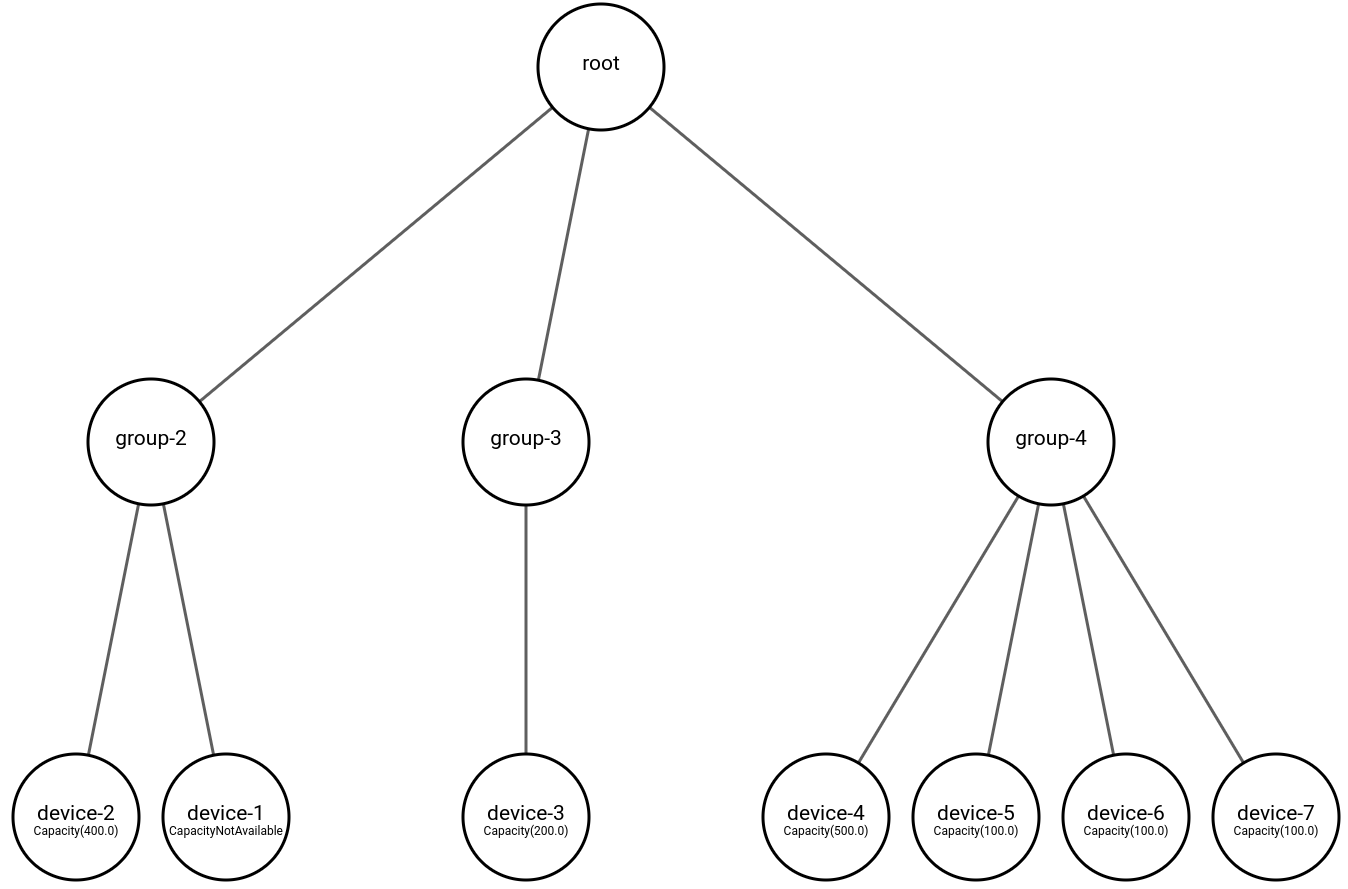
My virtual power plant prototype consisted of a microservice-based data platform built using advanced technologies such as Apache Kafka, actor model programming in Scala, and Akka to leverage actors and advanced streaming.

AI
This project focused on using deep learning for damage prognostics on aircraft engines. The project was part of a computer science course in artificial intelligence and deep learning.
Transport
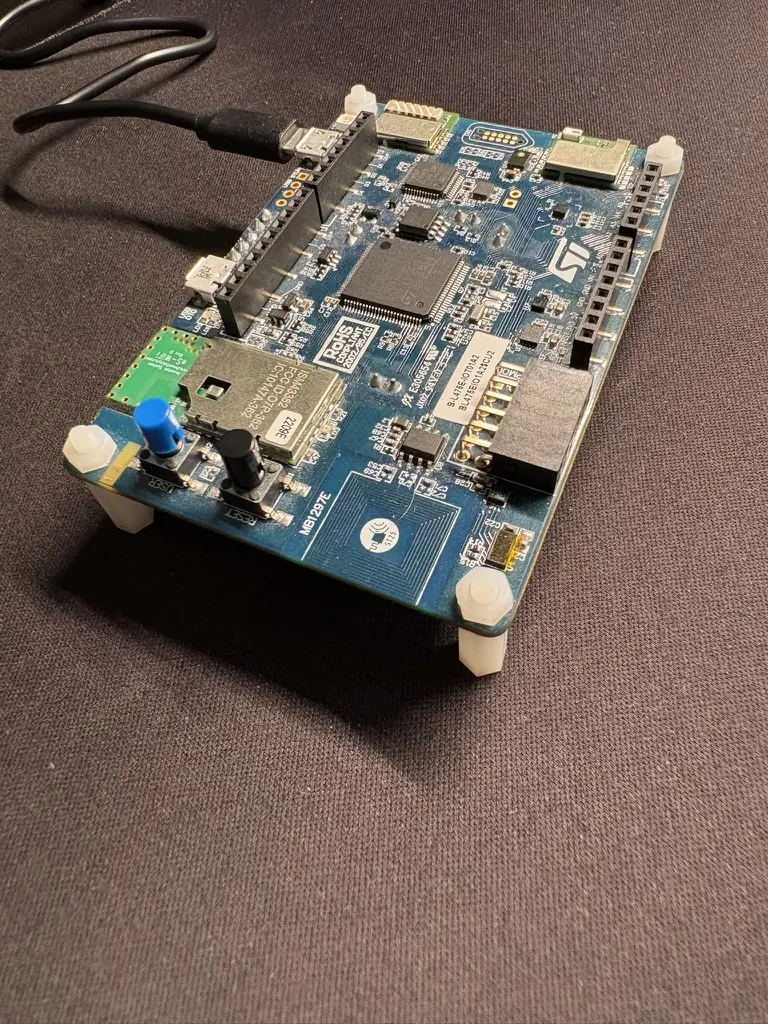
This project was part of my final project for my Professional Bachelor’s degree in Software Development in January 2020, where I explored how data can be collected from vehicles and how such data can be used to improve safety and optimize the transportation industry.
Share what you are building, hiring for, or trying to understand better. I will reply with a direct and practical response.