Context
This case study covers a secure Rust IoT gateway used to move telemetry from STM32 edge devices to cloud services with reliability and security by design.
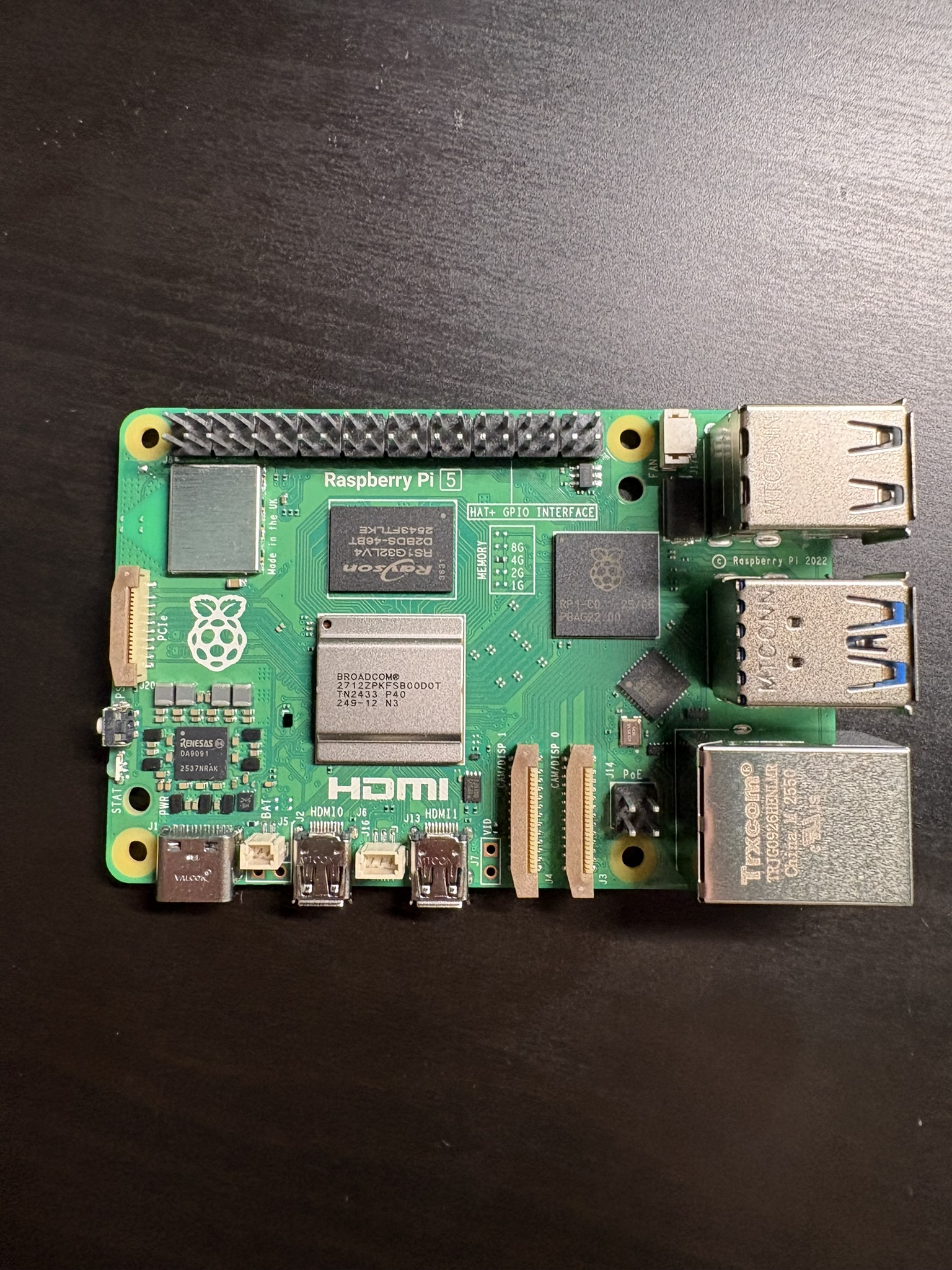
The current reference deployment runs the gateway on a Raspberry Pi 5 edge host, which gives enough CPU, memory, and local SSD bandwidth for MQTT ingest, SQLite WAL buffering, and observability workloads in a compact field setup.
For the full technical deep dive, see the blog section on system context and scope.
Intervention
I implemented the gateway as a reliability-first ingest plane with clear responsibilities:
- Ingest telemetry through MQTT and HTTP interfaces.
- Normalize payloads and enrich records with gateway metadata.
- Persist records to a local SQLite WAL before cloud forwarding.
- Dispatch with controlled retries, acknowledgements, and dead-letter recovery paths.
- Expose health, metrics, and traces for operators and CI checks.
Implementation details are documented in:
- Functional elements and responsibilities
- Gateway interfaces and contracts
- Deployment viewpoint from edge to cloud
Evidence
The gateway architecture produces operational evidence that teams can act on:
- Durable WAL state progression (
Enqueued -> InFlight -> Acked/Dead) for message lifecycle traceability. - Observable ingest and publish flow via traces, metrics, and health/readiness endpoints.
- Explicit interface boundaries for MQTT ingest, HTTP ingest, admin API, and telemetry export.
- Deployment mapping from constrained STM32 devices through edge host runtime to cloud observability services.
Outcome
Engineering outcomes from this implementation:
- Reliability improved through durable buffering and deterministic retry semantics.
- Security posture improved through explicit transport/auth controls and hardened defaults.
- Observability improved through first-class telemetry signals for incident response.
- The architecture became reusable as a reference model for new IoT deployments and audits.
Next Step
I use this architecture as a practical baseline in my delivery model:
- Audit: identify high-risk reliability/security/observability gaps.
- Sprint: implement prioritized controls and architecture improvements.
- Retainer: continuously verify posture and delivery behavior over time.
Book a 20-minute call or read the full Rust IoT Gateway deep dive.
Tech Notes
The implementation focuses on production-operable behavior rather than demo-only architecture: Rust gateway services, MQTT/HTTP ingest, SQLite WAL durability, OpenTelemetry tracing, Prometheus metrics, and secure edge-to-cloud transport patterns.